Your Team



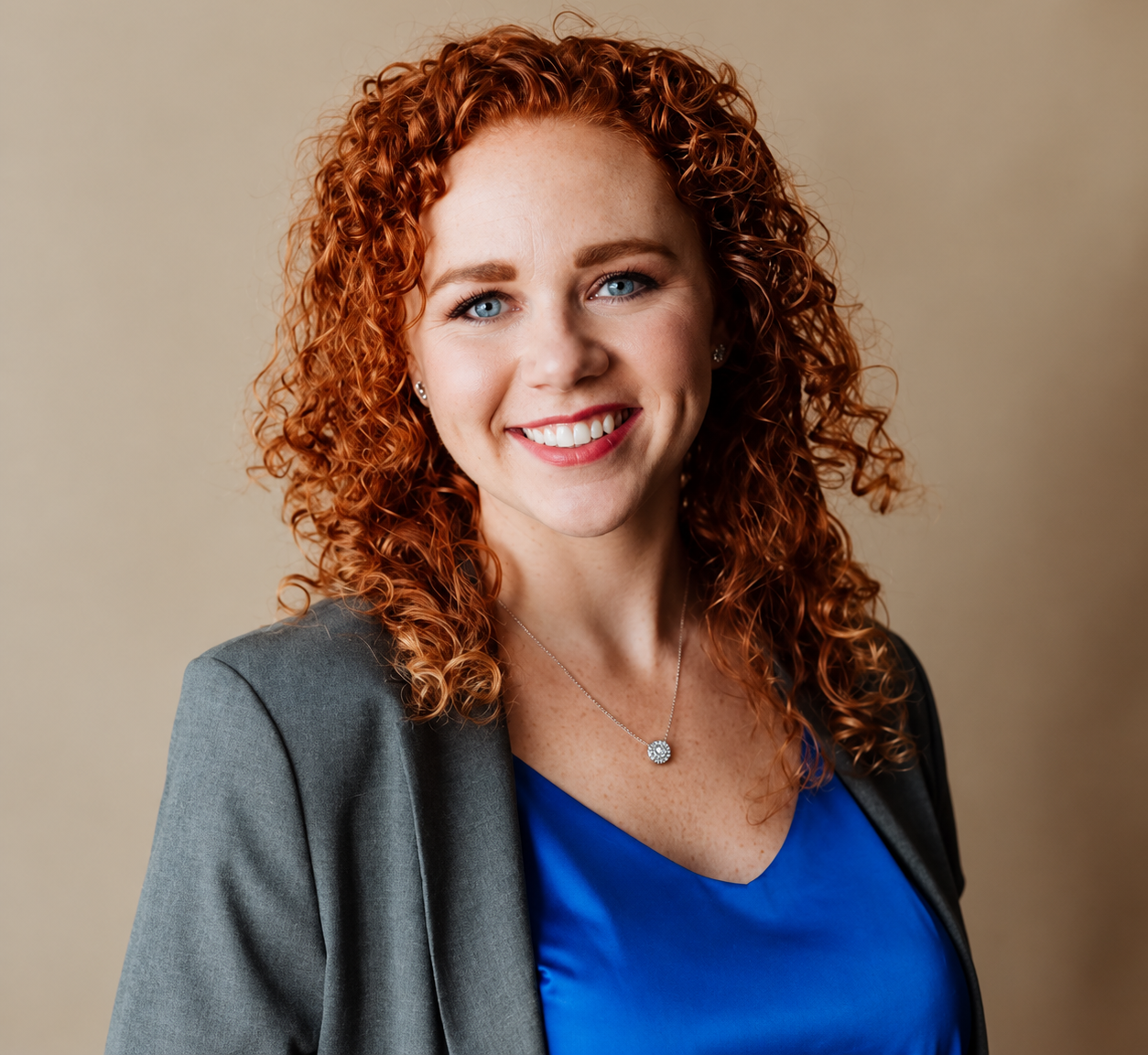
Caroline Tipton -
Executive Assistant

Yussef Gheriani, CIMA®-Portfolio Specialist
Our Ethos
- Set Clear Expectations
- Provide Clarity
- Communicate Proactively
Our Process

We believe you first have to decide if we are a good fit for you, and vis versa. The only way to do that is to make an educated and informed decision on our firm and see how we we work and if the fee we would charge is worth some multiple of value. If you are wondering:
- Are you at risk of running out of money in retirement?
- Are you paying more than necessary in taxes?
- Is your portfolio properly positioned for this stage of life?
Then Lets chat!
You’ll receive clear, personalized answers in a plan that outlines where you stand, what’s working, and what may need adjustment.
For those who are a good fit for our firm, there’s no cost or commitment for this process. We believe you should fully understand how we can help—before paying a single dollar in fees or entrusting us with any of your savings.
A Clear Process. A Confident Decision
Our process is designed to give you the information you need to make an informed decision. Here's what you can expect.

Let's chat!
Let’s Make Sure It’s a Good Fit
This 15-minute phone conversation allows us both to determine if your needs align with Harbor Wealth’s expertise. Think of it like choosing the right specialist—you wouldn’t see a dentist for a heart issue.
If it turns out we’re not the right fit, we’ll point you toward a firm that’s better suited to help you!

Your Financial Roadmap
Turning Insight Into Action
In our first meeting, we'll get to know you, your goals, and your financial picture. Between meetings, our team will analyze your situation and develop personalized recommendations. In the second meeting, we'll walk you through your financial roadmap and answer your questions.
There are no products to buy and no pressure to make a decision—just straightforward advice to help you make an informed choice.

Your Decision
Move Forward Only If It Feels Right
Take the time you need to decide whether Harbor Wealth is the right fit.
If you choose to move forward, we'll guide you through the onboarding process and begin implementing your plan. If not, that's perfectly okay. Our goal is to help you make an informed decision—not pressure you into one.

Meeting two - our findings
Turning Insight Into Action
In this meeting, we'll walk you through your personalized financial roadmap, demonstrating how Harbor Wealth can support your financial planning and investment objectives.
You'll see—without jargon or confusion—how our recommendations align with your goals and may help you pursue your long-term financial objectives.
At the end, we'll ask if you're ready to take the next step or if you'd prefer to take some time to think it over.

Making an informed decision
The Decision Is Yours—Without Pressure
We’ve been doing this long enough to know that thoughtful decisions require time.
As you reflect, consider:
- Do I trust and respect the team at Harbor Wealth?
- Will the value they provide exceed the cost?
- Do I understand and believe in their investment approach?
- Do their recommendations feel right for me?

Put the Plan In Motion
Getting Started Should be Simple
This meeting is designed to answer any final questions you may have. If you feel confident and ready, we’ll begin the process of becoming a Harbor Wealth client.
Ahead of this meeting, we’ll provide a clear overview of what to expect, along with answers to any outstanding concerns.
While we’d be honored to work with you, if you decide it’s not the right fit, we’ll simply wish you well. There’s never a sales pitch—just a commitment to doing what’s best for you.
Let's Chat!
Let's Make Sure It's a Good Fit
This 15-minute phone conversation allows us both to determine if your needs align with Harbor Wealth's expertise. Think of it like choosing the right specialist—you wouldn't see a dentist for a heart issue.
If it turns out we're not the right fit, we'll point you toward a firm that's better suited to help you!
OUr goaal Is clarity. We'll supplopy the Coffee!
Service 2
Step two
This is the text area for this paragraph. To change it, simply click and start typing. This is the text area for this paragraph.
Service 3
Step three
This is the text area for this paragraph. To change it, simply click and start typing. This is the text area for this paragraph.
Meeting two - our findings
Turning Insight Into Action
In this meeting, we'll walk you through your personalized financial roadmap, demonstrating how Harbor Wealth can support your financial planning and investment objectives.
You'll see—without jargon or confusion—how our recommendations align with your goals and may help you pursue your long-term financial objectives.
At the end, we'll ask if you're ready to take the next step or if you'd prefer to take some time to think it over.
Making an informed decision
The Decision Is Yours—Without Pressure
We’ve been doing this long enough to know that thoughtful decisions require time.
As you reflect, consider:
- Do I trust and respect the team at Harbor Wealth?
- Will the value they provide exceed the cost?
- Do I understand and believe in their investment approach?
- Do their recommendations feel right for me?
Frequently Asked Questions
What Is the Best Retirement Income Strategy?
There isn't one "best" retirement income strategy. The right strategy depends on where your money is, how it's taxed, and what you're trying to accomplish.
One mistake I see people make is focusing only on investment returns. Retirement income is really about cash flow and taxes. You may have money in IRAs, Roth accounts, brokerage accounts, pensions, and Social Security. The question isn't simply, "Where do I take money from?" It's, "How do I create income while paying as little in taxes as legally possible?"
A well-designed retirement income strategy coordinates your investments, taxes, and withdrawal plan so they all work together. Before you start taking withdrawals, it's worth taking a step back and building a plan first.
What Order Should I Withdraw Retirement Accounts to Minimize Taxes?
I hear this question all the time, and the answer usually surprises people.
There isn't one withdrawal order that works for everyone.
Many people have heard to spend taxable accounts first, then tax-deferred accounts, and save Roth accounts for last. Sometimes that's the right answer. Sometimes it's exactly the wrong answer.
What matters is your tax picture—not just this year, but over the next 20 or 30 years. A withdrawal that saves taxes today could create a much larger tax bill later through higher Required Minimum Distributions, Medicare premiums, or taxes on Social Security.
Before taking distributions, it's important to look at the entire retirement picture. That's where the real planning happens.
When Does a Roth Conversion Make Sense?
A Roth conversion can be one of the most valuable tax planning opportunities in retirement—but only when it's done intentionally.
The goal isn't to avoid taxes. The goal is to pay taxes at the lowest rate possible.
For some families, converting a portion of an IRA before Required Minimum Distributions begin can reduce lifetime taxes and leave more flexibility later in retirement. For others, converting too much in one year can push them into a higher tax bracket or increase Medicare premiums.
The question isn't whether a Roth conversion is good or bad. The question is whether it makes sense for your specific tax situation this year.
How Much of My Social Security Is Taxable?
One of the biggest misconceptions I hear is, "I already paid taxes into Social Security, so my benefits are tax-free."
Unfortunately, that's not always the case.
Depending on your total income in retirement, up to 85% of your Social Security benefits may be subject to federal income tax. Notice I said subject to tax—that doesn't mean 85% of your benefit is lost to taxes. It simply means up to 85% may be included when calculating your taxable income.
That's why coordinating Social Security with IRA withdrawals, Roth conversions, and other income sources is so important. Small planning decisions can sometimes have a meaningful impact on your overall tax bill.
What Is Sequence of Returns Risk?
Sequence of returns risk sounds complicated, but the concept is actually pretty simple.
Imagine two retirees with the exact same investments earning the exact same average return over twenty years. One retires just before a market decline, while the other retires after the market has already recovered.
Even though the average return is identical, the person who experiences negative returns early in retirement may end up with significantly less money because they're withdrawing from the portfolio while it's down.
That's why retirement planning isn't just about earning a good return. It's about creating a strategy that helps manage market volatility while still providing the income you need throughout retirement.
Does Illinois Tax Retirement Income?
One of the advantages of retiring in Illinois is that most qualified retirement income is not subject to Illinois state income tax.
That generally includes distributions from IRAs, 401(k)s, pensions, and Social Security benefits, assuming they qualify under Illinois law.
That doesn't mean retirement income is tax-free. Federal income taxes may still apply, and your withdrawal strategy can have a significant impact on how much you pay over your lifetime.
Just because Illinois doesn't tax certain retirement income doesn't mean you should ignore tax planning. In many cases, federal taxes will have a much greater impact on your retirement than state taxes ever will.
Let's Get Started.
Reach out for a free, no-obligation consultation. We’ll discuss where you are now, where you want to go and how the team at Harbor Wealth can help you get there.