Quarterly Investment Review
August 19th, 2026
As always, every quarter the investment team at Harbor Wealth sits down to talk through the markets. What do we like? What don't we like? Where do we see opportunity? Where are we taking risk? And, perhaps most importantly, what could we be missing?
This quarter, one topic dominated much of the conversation: artificial intelligence.
But rather than simply asking whether AI is creating a bubble, we wanted to step back and look at the bigger picture.
The Good News: AI Is Becoming More Than a Technology Story
Moderna recently announced progress toward a personalized cancer vaccine that could move into Phase 3 trials. The concept is remarkable: a patient's tumor is removed and analyzed, and a vaccine is developed specifically around the mutations found in that patient's cancer.
That isn't the kind of story most people think about when they hear the words "AI trade." And that's exactly why we think it's interesting.
Artificial intelligence isn't simply about building bigger data centers, faster computer chips or the next generation of software. It's about what those technologies allow the rest of the economy to do.
Healthcare is one example. Manufacturing is another. Financial services, logistics, energy and countless other industries are beginning to use these tools to become more productive. And we're starting to see that show up in the numbers.
Companies are continuing to report strong results, and expectations for corporate profits have moved higher. In other words, the market isn't simply going up because investors are willing to pay more for the same companies. The businesses themselves are, in many cases, producing more.
That's the good news. The less exciting news is that everyone else has noticed, too.
U.S. Equities
We still like American businesses. We're just watching the concentration.
The S&P 500 has become increasingly concentrated in a relatively small number of very large companies. If those companies continue to perform well, that's great news for investors. But it creates a question we think is worth asking: what happens if they don't?
We're not trying to predict that the AI trade is about to collapse. In fact, our investment team remains constructive on U.S. stocks because the underlying businesses continue to produce strong results. But we also don't want every part of the portfolio depending on the same handful of companies continuing to win.
That's why we're looking for diversification within U.S. stocks. One area we're particularly interested in is dividend-growth / value / non-tech-heavy companies. These tend to be established businesses selling products and services people continue to need — healthcare, consumer staples, industrial goods and other less technology-heavy parts of the economy.
The point isn't that these companies will outperform technology. The point is that they don't have to. If technology continues to lead, we want to participate. If technology takes a breather, we'd like to have other parts of the portfolio that can continue doing their job.
Diversification only works when the things you're adding actually diversify you.
International Equities
We're beginning to think more globally.
For a long time, we've been comfortable with a portfolio heavily weighted toward U.S. companies. And frankly, that worked. The United States has been an extraordinary place to invest.
But there's a difference between saying "the U.S. has been the best place to invest" and saying "the U.S. will always be the best place to invest." We don't know the answer to the second question.
That's why we're beginning to think more deliberately about international investments. There are profitable, innovative companies outside the United States. And there is an interesting long-term possibility that AI could have an even larger impact in countries that are starting from a lower level of technological adoption.
At the same time, international investing comes with its own challenges. Europe and Japan, for example, are more dependent on imported energy, making them potentially more vulnerable to a significant oil or energy shock. Currency movements can also work against international investors during periods of market stress.
So we're not making a giant bet on international stocks. We're starting slowly.
The objective isn't to predict the exact quarter when international stocks will outperform the United States. It's to gradually build a portfolio that isn't dependent on one country continuing to dominate forever. The goal is to move toward a broader portfolio over the next three, five and ten years — not to make a one-year bet on which market wins next.
Fixed Income
Bonds don't get nearly as much attention as stocks. That's usually a good thing, as their job isn't to be exciting. Their job is to provide stability, income and another source of diversification when stocks aren't cooperating. Right now, we're keeping that job description in mind.
We're generally favoring high-quality bonds, shorter-term bonds and U.S. Treasuries rather than reaching aggressively for bonds that provide a higher return but are more risky.
There's always a temptation to say:
"If I can get 7% instead of 4%, why wouldn't I?"
Because that extra interest isn't free. To get it, you generally have to accept more risk that the investment could lose money or behave more like a stock during a difficult market — and that's not what we're looking for from this part of the portfolio.
We're also being thoughtful about cash and money-market funds. If you need money in the next few years, keeping it liquid makes sense. But cash and bonds aren't the same thing. A money-market fund benefits from today's short-term interest rates, but if rates eventually fall, the income it pays can fall too. Traditional bonds can actually increase in value when rates fall.
So we're using each for what it's designed to do: cash for liquidity, bonds for stability and diversification.
The Bottom Line
There is plenty to be optimistic about. AI could continue to improve productivity, corporate profits could continue to grow, and the benefits of these technologies could spread well beyond the handful of companies currently dominating the headlines.
But there are legitimate risks, too. The AI trade could eventually become overextended. Oil and inflation could create problems. Interest rates could remain higher for longer. International markets could struggle with energy costs. And some of the enormous investment being made in AI infrastructure may ultimately produce less economic benefit than investors expect.
We don't know which of these stories will win. And that's exactly why we don't build portfolios around predicting the future.
Right now, we're staying constructive on U.S. stocks while being more intentional about diversification. We're looking at non-tech companies to reduce some of the concentration in technology, gradually introducing international exposure, and keeping the bond portfolio high quality and relatively short.
Our job isn't to predict what happens next. It's to build a portfolio that can handle whatever happens next.
Every quarter, we'll continue reviewing the evidence, challenging our assumptions and making changes when the facts warrant them.
— The Investment Team
This material is provided for informational and educational purposes only and is not intended to be a recommendation to buy or sell any security or to make any particular investment decision. The views expressed represent our current opinions and are subject to change based on market conditions and other factors. Past performance is not indicative of future results. Investing involves risk, including the possible loss of principal. Diversification does not guarantee a profit or protect against loss. Any investment strategies discussed may not be appropriate for every investor. Harbor Wealth is a DBA of IHT Wealth Management, an SEC-registered investment adviser. Advisory services are offered through IHT Wealth Management. Please refer to our Form ADV for additional information regarding our services, fees, and conflicts of interest.
Harbor Wealth Investment Team
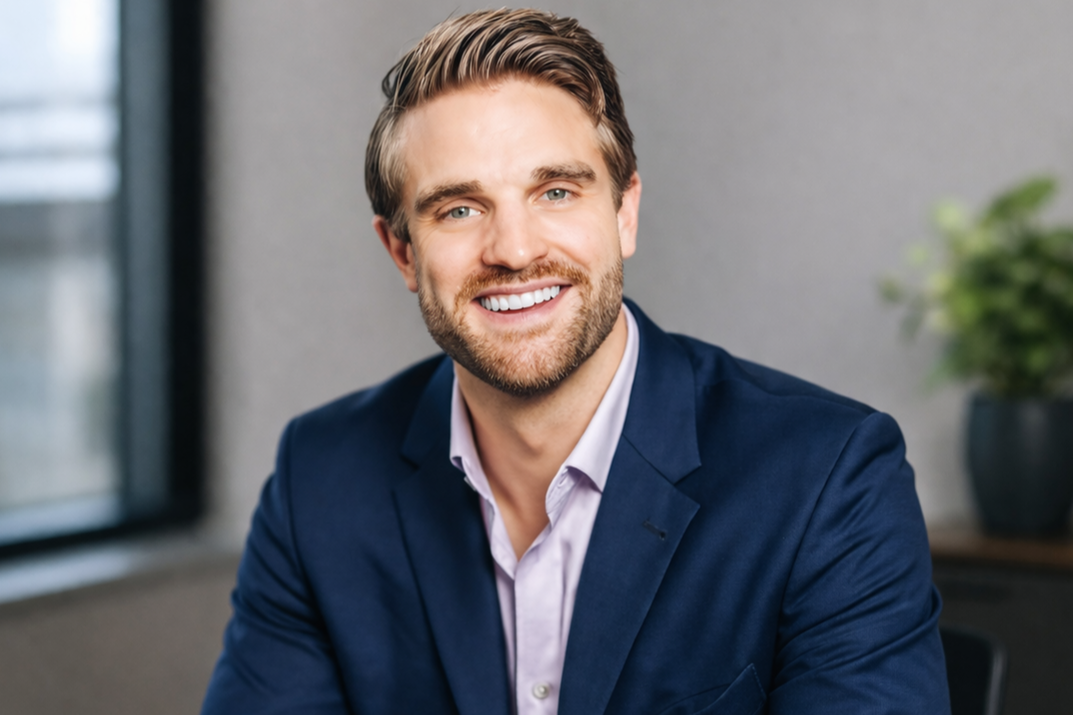
Elliott Vaughn, CFP®
Elliott’s background in mathematics and more than a decade of industry experience shape his analytical approach to investment management. As the advisor ultimately responsible for the firm’s investment models, Elliott takes an active role in determining the investments and strategies used across client portfolios, balancing long-term objectives, risk, tax considerations, and market conditions. His philosophy is straightforward: investment decisions should be intentional, evidence-based, and aligned with each client’s broader financial plan.
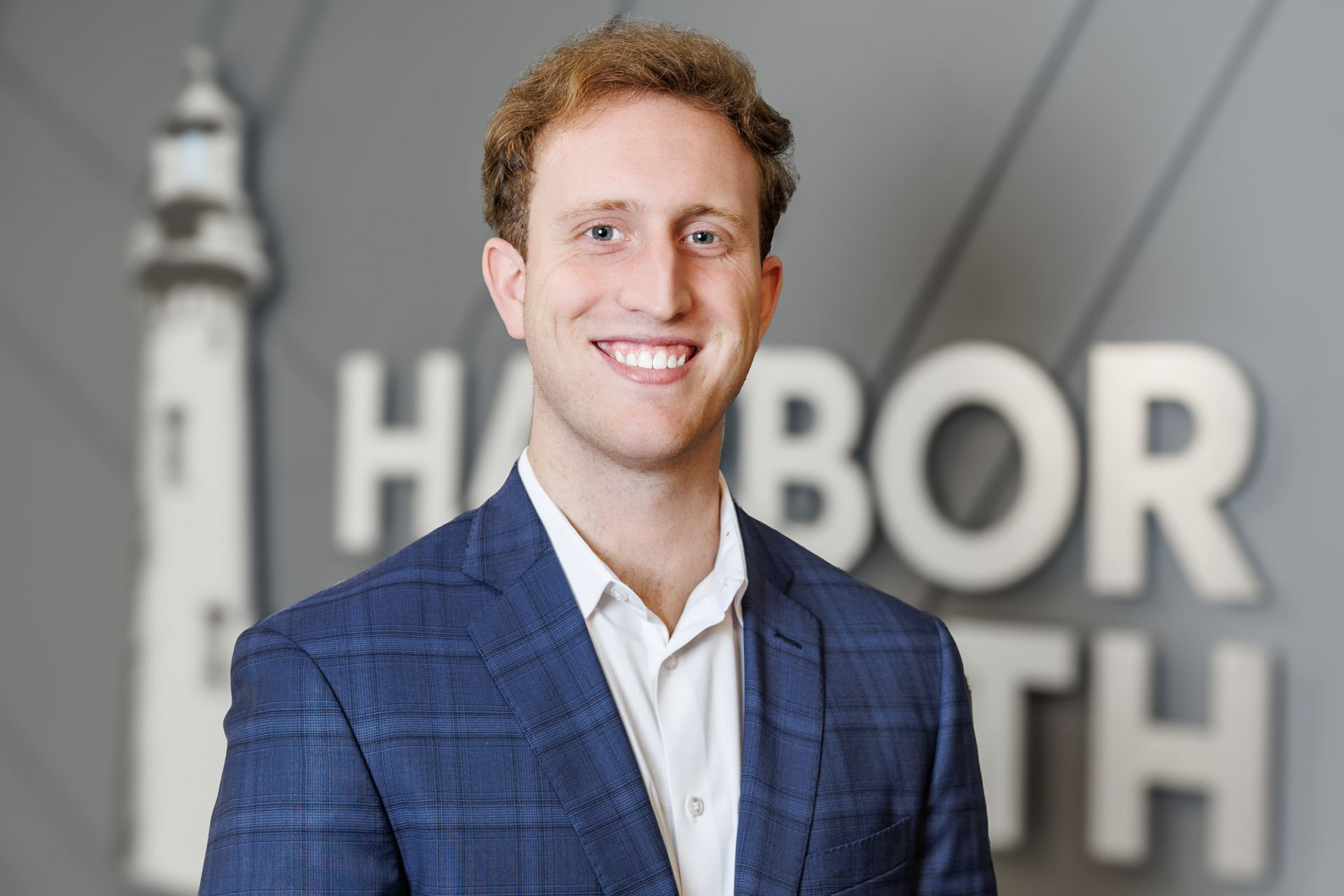
Benjamin Storm, CFP®
Ben brings a strong combination of financial knowledge, analytical thinking, and operational expertise to Harbor Wealth. With a degree in Business and Accounting from Roosevelt University, a Series 66 license, and CFP® certification, Ben helps ensure our investment review process is executed thoughtfully and consistently. His attention to detail and commitment to client service provide an important layer of oversight behind the work we do for clients.
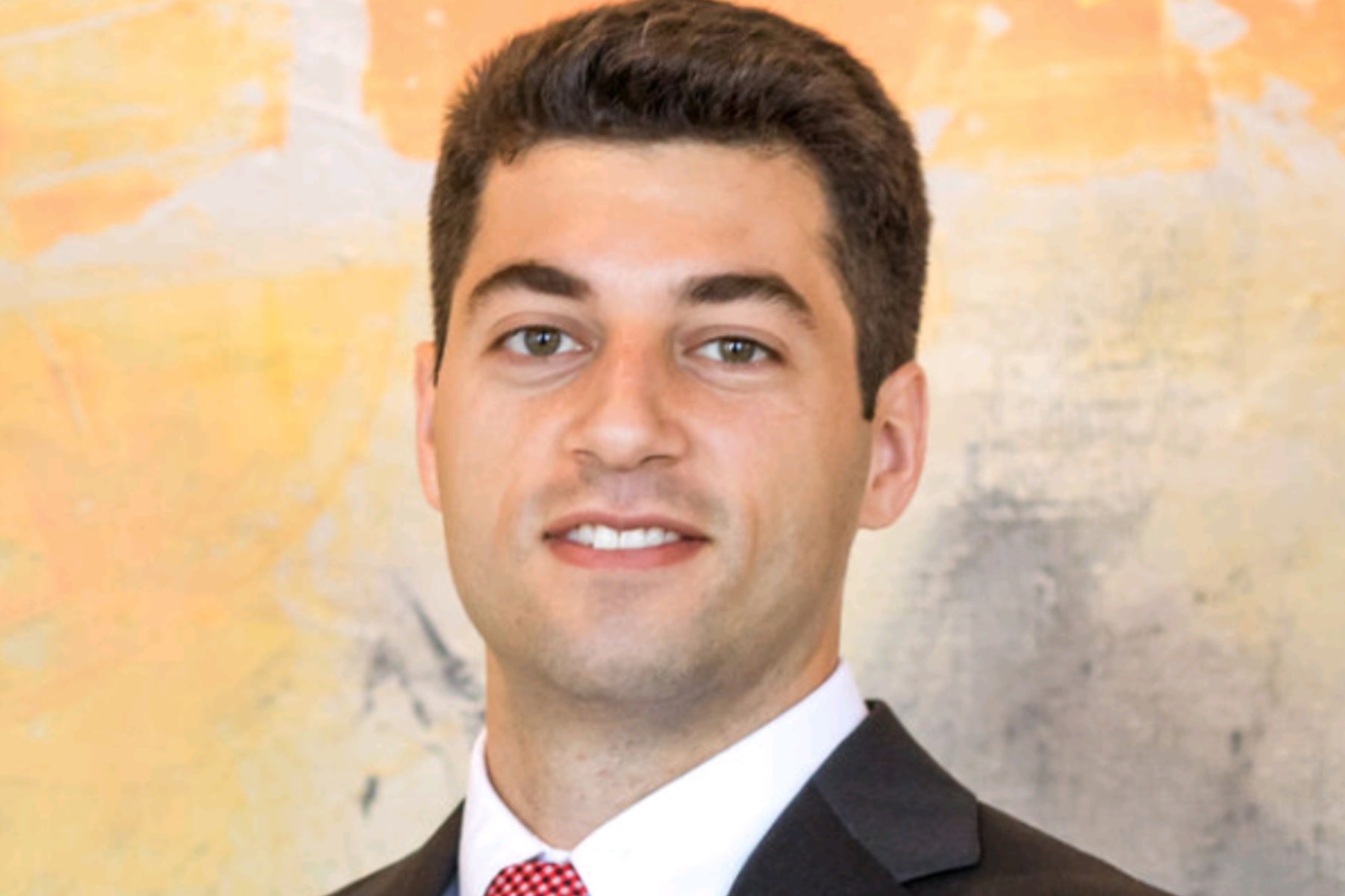
Yussef Gheriani, CIMA
Yussef serves as Chief Investment Officer at IHT Wealth Management and brings more than a decade of experience evaluating thousands of unique client situations. As a member of the investment team, he provides institutional-level research, perspective, and oversight to help inform the investment strategies used across client portfolios. His systematic approach to solving complex problems helps ensure investment decisions are thoughtful, disciplined, and aligned with clients’ long-term objectives.

Colin Cheaney, CFA, CFP®
Colin brings a strong quantitative background and institutional investment experience to IHT Wealth Management. As an Associate Investment Analyst, he supports trading, investment research, due diligence, and portfolio management while helping implement and communicate changes to IHT’s model investment programs. A CFA charterholder with a degree in mathematics, Colin’s analytical approach helps provide the research and discipline behind the investment strategies we use for clients.